

Art paper plays a crucial role in the world of art and creativity. It serves as the canvas for artists to express their ideas, emotions, and imagination. The right choice of art paper can significantly impact the final outcome of an artwork. This article aims to explore the different types of art papers available, their unique characteristics, and their applications in various art forms.
Understanding Different Types of Art Paper
Art papers comes in a variety of types, each specifically designed to meet the needs of different art mediums. Here are some popular types of art paper:

Watercolor Paper
Watercolor paper is a heavyweight paper with a specific texture that absorbs and holds watercolor paints. It is usually made from cotton or wood pulp and comes in different textures, such as rough, cold press, and hot press. Watercolor paper allows artists to achieve desired effects like washes, glazes, and wet-on-wet techniques.
Pastel Paper
Pastel paper is specifically designed for pastel and charcoal drawings. It has a textured surface that provides enough tooth for the pastel pigments to adhere to. Pastel paper is available in various colors, allowing artists to create dynamic and vibrant artworks.
Mixed Media Paper
Mixed media paper is versatile and suitable for combining different art mediums, such as acrylics, watercolors, markers, and collage elements. It has a sturdy surface that can withstand multiple layers of various materials without warping or tearing.
Black Paper
Black paper, also known as colored paper, is a unique choice for artists seeking to create contrasting and dramatic artworks. It is commonly used for techniques like white charcoal drawing, gel pen illustrations, and origami projects.
Crepe Paper
Crepe paper is a thin, crinkled paper often associated with crafts and decorations. It is commonly used in making paper flowers, party decorations, and costume embellishments. Crepe paper comes in a wide range of vibrant colors, providing endless creative possibilities.
Glaze Paper
Glaze paper is a glossy paper used for printing photographs, art prints, and promotional materials. It enhances the vibrancy and sharpness of the printed images, making them visually appealing.
Drawing Sheet
Drawing sheets are versatile papers suitable for various drawing techniques, such as graphite, charcoal, and ink drawings. They are available in different sizes and weights, providing options for artists to work on projects of different scales.
Tracing Paper
Tracing paper is a translucent paper used for transferring sketches, designs, or images to a final art surface. It allows artists to trace and refine their ideas before committing them to the art paper.
Butter Paper
Butter paper, also known as parchment paper, is a non-stick paper used for protecting artwork from smudging or sticking together. It is commonly used as an interleaving material for storing and transporting finished artworks.
Choosing the Right Art Paper
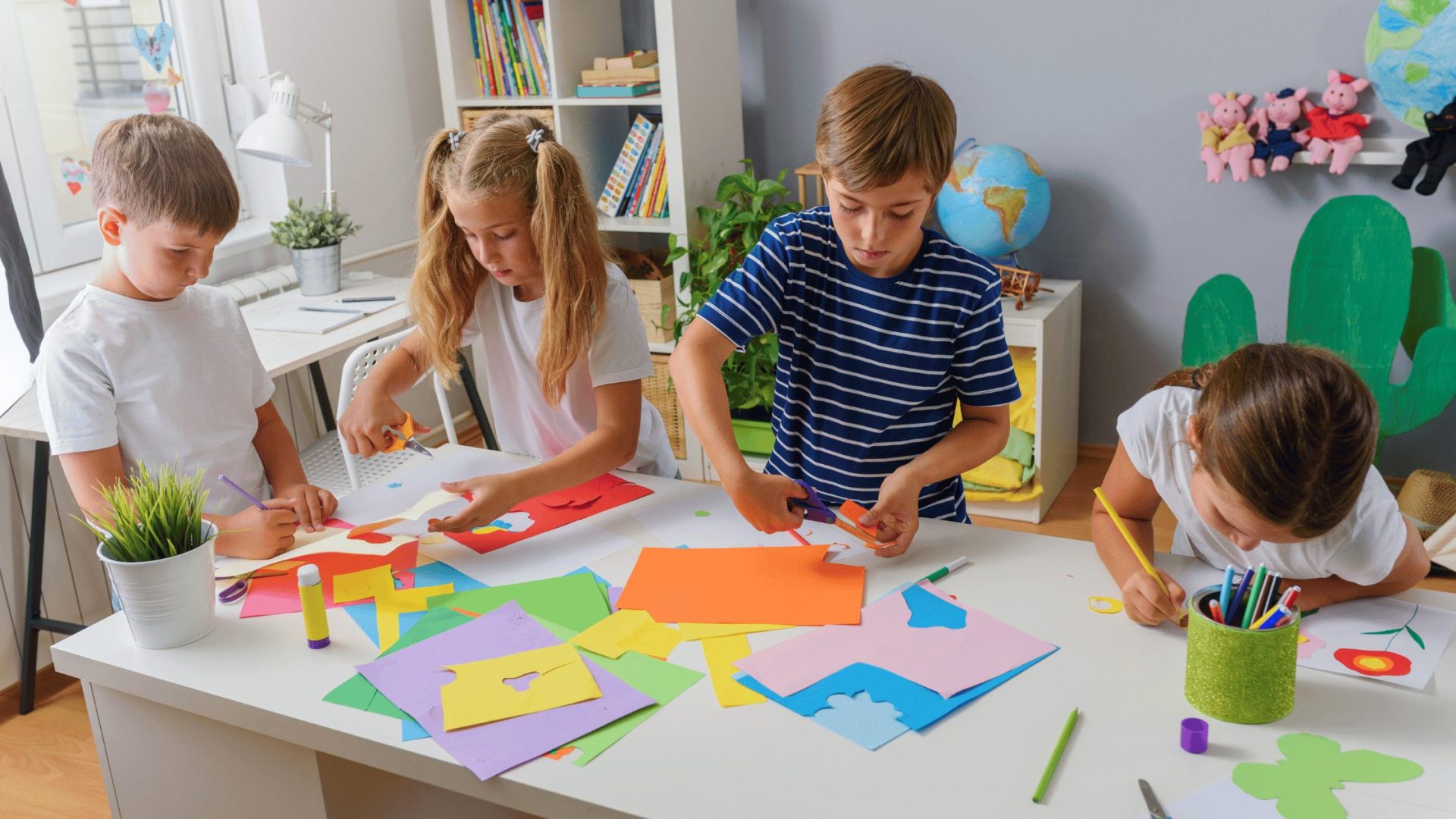
Choosing the right art paper depends on several factors, including the art medium, desired effects, and personal preferences. When selecting art paper, consider the following:
- Considerations for Different Art Mediums: Different art mediums have unique requirements. Watercolor paper, for example, should be thick and capable of absorbing water, while pastel paper needs a textured surface for optimal pigment adhesion.
- Factors to Consider when Buying Art Paper: Consider factors like weight, texture, size, archival quality, and budget. Heavier papers are suitable for wet media, while smoother papers work well for detailed drawings.
Art and Craft Ideas with Paper
In addition to being a canvas for traditional artworks, paper can be transformed into various art and craft projects. Here are a few ideas to explore:
- Origami: Origami is the art of paper folding, creating intricate sculptures and decorative objects using only paper.
- Paper Sculptures: Use different techniques, such as cutting, folding, and shaping, to create three-dimensional sculptures from paper.
- Paper Collages: Combine various types of paper, such as magazines, newspapers, and colored paper, to create visually compelling collages.
- Paper Quilling: Roll, shape, and glue strips of paper to create intricate designs and patterns.
- Paper Mache: Use a mixture of paper strips and glue to create sculptures or masks. Once dry, they can be painted and decorated.
Conclusion
Art paper plays a vital role in the creative process, providing a foundation for artists to bring their ideas to life. Understanding the different types of art paper available allows artists to choose the right material for their specific needs. Whether it’s watercolor paper for vibrant washes or pastel paper for soft blending, the right art paper can elevate an artwork to new heights. So, explore the possibilities, experiment with different papers, and let your creativity flow.